
博客
CNC Machine Tool Mechanical Components: Selection & Maintenance Guide

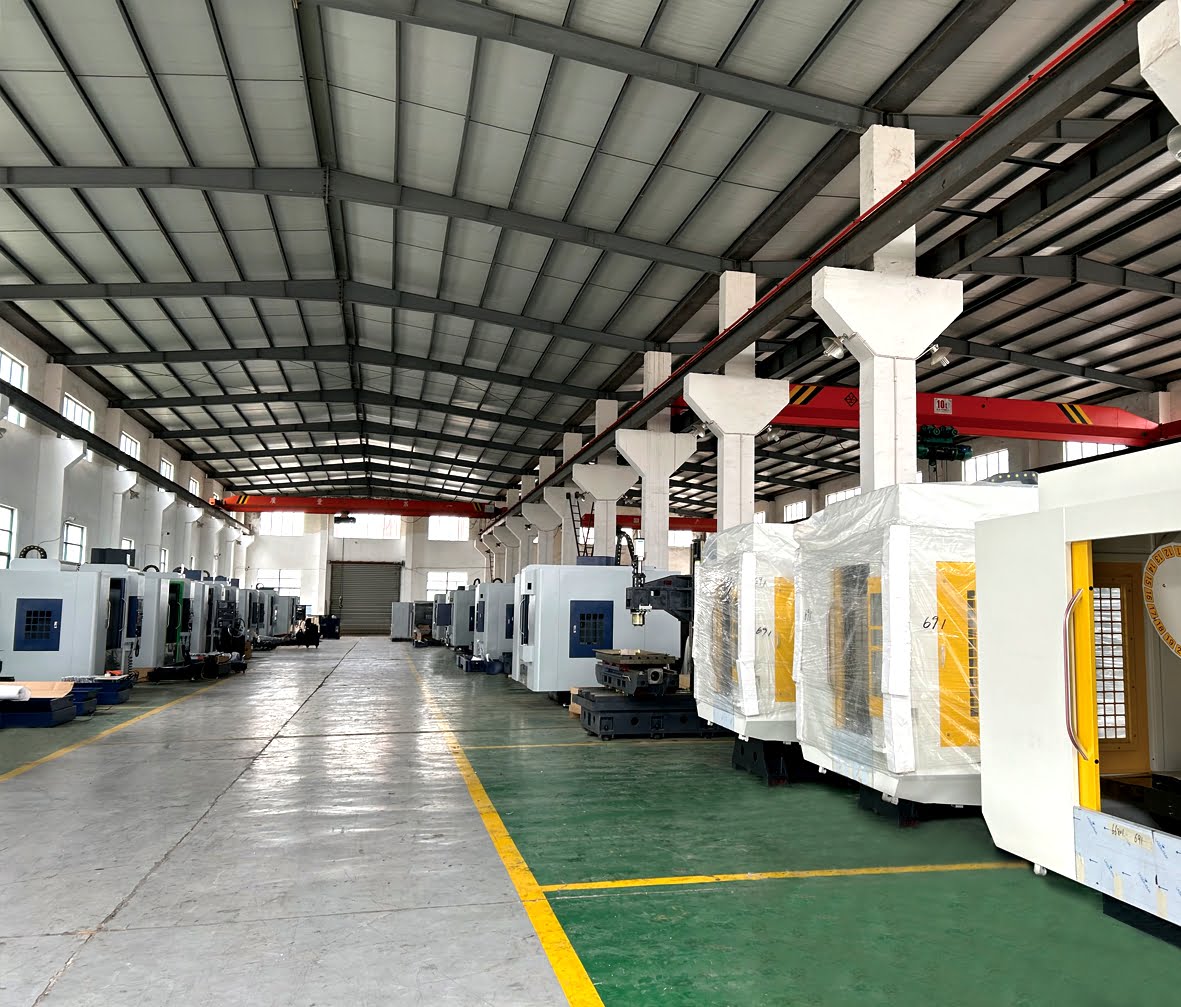
CNC Machine Tool Mechanical Components: Selection & Maintenance Guide
The mechanical structure of a CNC machine tool directly determines its rigidity, precision retention, and service life. When selecting and maintaining equipment, three critical components require the most attention: Guide Rails, Ball Screws, and the Spindle System.
Here is a comprehensive guide on the selection logic and maintenance essentials for these three core components.
1. Guide Rail Systems: The Backbone of Motion
Guide rails support the machine table and determine its travel speed and load capacity. They are primarily categorized into Box Ways (Sliding Guides) 和 Linear Guides (Rolling Guides).
■ Selection Logic
Box Ways (Hardened/Cast Iron Ways):
Features: Large contact area, exceptional rigidity, and excellent vibration dampening.
Best For: Heavy-duty cutting, large mold machining, and roughing operations.
Drawbacks: Higher friction, slower rapid traverse speeds (typically <=24 m/min), and prone to "stick-slip" (crawling) phenomena.
Linear Guides (Ball or Roller Linear Guides):
Features: Extremely low friction coefficient, fast dynamic response, and high positioning accuracy.
Best For: High-speed machining centers, light-duty cutting, precision parts, and 3D contour milling.
Pro Tip: Choose Roller Guides for higher rigidity (line contact) and Ball Guides for maximum speed (point contact).
■ Maintenance Essentials
Lubrication is Lifeline: Ensure the automatic lubrication pump delivers oil at specified intervals and quantities. Dry friction on the rail surface can cause scoring or ruin the guide within days.
Wiper & Bellows Inspection: Regularly check the telescopic way covers (bellows). If chips or coolant penetrate the slide blocks, they will quickly destroy the internal bearings.
Replace Scraper Plates: The rubber scrapers at both ends of the slide block are wear parts. Replace them immediately if aged or damaged to prevent micro-dust from entering.
2. Ball Screws: The Core of Precision Power Transmission
The ball screw converts the motor's rotary motion into the linear motion of the worktable. It is the defining factor for positioning accuracy 和 repeatability.
■ Selection Logic
Accuracy Grades: CNC machine tools typically use C3 grade (travel error <= 0.008mm per 300mm) or C5 grade (error <= 0.018mm). Ultra-precision machines may require C1 or C0 grades.
Preload: Always opt for a preloaded ball screw assembly (such as a double-nut preload) to eliminate backlash; otherwise, mechanical dead zones will occur during directional reversals.
Screw Pitch (Lead): A larger pitch (e.g., 10mm or 20mm) offers faster traverse speeds but lower resolution. A smaller pitch (e.g., 5mm) provides higher thrust and precision but sacrifices speed.
■ Maintenance Essentials
Backlash Compensation: Wear is inevitable over time, leading to increased backlash. Measure it every six months using a laser interferometer or dial indicator, and update the compensation values in the CNC system (e.g., Fanuc Parameter
1851).Support Bearings: "Excessive screw backlash" is often actually caused by worn support bearings or loose locknuts at either end. Check axial runout during routine maintenance.
Cleaning: Periodically wash away old grease and metallic debris from the screw to prevent sludge from jamming the balls.
3. Spindle Systems: The Power Output Source
The spindle drives the rotation of the tool or workpiece, directly impacting cutting efficiency and surface finish.
■ Selection Logic
| Spindle Type | Transmission Mode | Features & Advantages | Ideal Applications |
| Geared Spindle | Gearbox Variable Speed | Massive low-speed torque; heavy depth of cut | Heavy-duty cutting, large gantry mills |
| Belt-Driven Spindle | Synchronous Belt | Simple structure, cost-effective, moderate speed (<= 10,000rpm) | General parts machining, conventional milling |
| Direct-Drive Spindle | Motor-Spindle Coupling | Low vibration, high speed (<=15,000rpm), superior surface finish | Precision molds, high-speed machining |
| Built-in Spindle (Electro-Spindle) | Integrated Motor & Shaft | Ultra-high speed (<=20,000rpm), fast response, lightweight | Engraving machines, high-speed aluminum milling |
■ Maintenance Essentials
Thermal Displacement Control (Chiller): High-speed spindles generate intense heat and require an oil or water chiller. Clean the chiller filters regularly; excessive spindle temperatures cause thermal elongation, directly altering Z-axis machining depth.
Taper Cleanliness: Ensure the spindle's internal air-blow system functions correctly during tool changes. Any chip trapped in the taper will cause tool runout, damaging the spindle bearings and causing tool chipping.
Dynamic Balance: Never use tool holders that have suffered severe impacts or lack proper dynamic balancing. Spindle bearings are highly delicate; unbalanced vibrations will shorten their lifespan exponentially.
🛠️ Summary of Daily Maintenance Protocols
Pre-Start Check: Verify the lubrication oil level and ensure the pneumatic pressure gauge is within the normal range (typically 0.5 - 0.7MPa).
In-Operation Monitor: Listen for any abnormal clicking or sharp friction sounds during rapid axis movements.
Post-Shutdown Cleanup: Clear out all metal chips. Park all axes in their middle positions to prevent uneven stress on the screws and avoid long-term exposure of the guide rail ends.


