
Blog
CNC Machine Tool Mechanical Components: Selection & Maintenance Guide

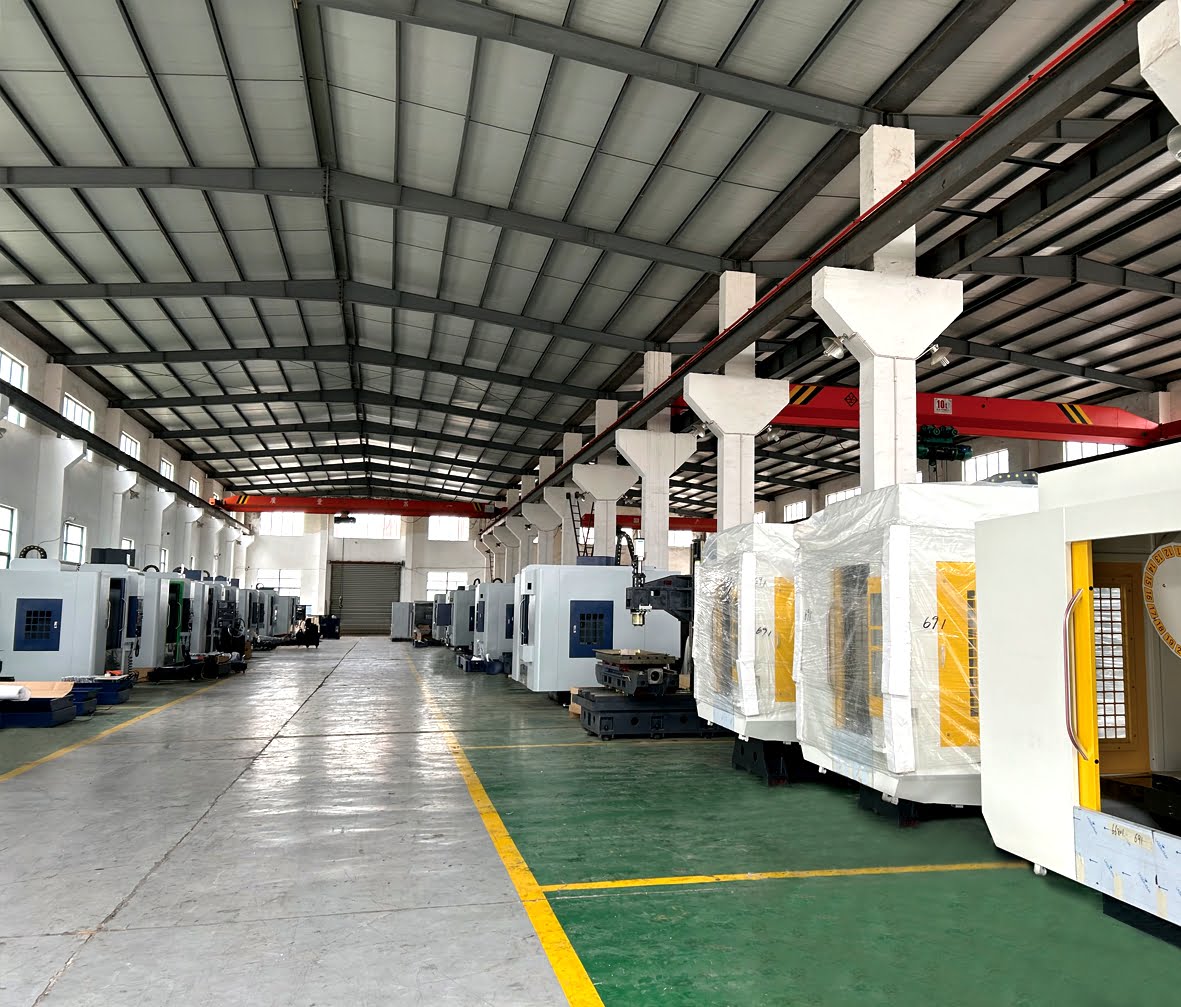
CNC Machine Tool Mechanical Components: Selection & Maintenance Guide
The mechanical structure of a CNC machine tool directly determines its rigidity, precision retention, and service life. When selecting and maintaining equipment, three critical components require the most attention: Guide Rails, Ball Screws, and the Spindle System.
Here is a comprehensive guide on the selection logic and maintenance essentials for these three core components.
1. Guide Rail Systems: The Backbone of Motion
Guide rails support the machine table and determine its travel speed and load capacity. They are primarily categorized into Box Ways (Sliding Guides) Und Linear Guides (Rolling Guides).
■ Selection Logic
Box Ways (Hardened/Cast Iron Ways):
Features: Large contact area, exceptional rigidity, and excellent vibration dampening.
Best For: Heavy-duty cutting, large mold machining, and roughing operations.
Drawbacks: Higher friction, slower rapid traverse speeds (typically <=24 m/min), and prone to "stick-slip" (crawling) phenomena.
Linear Guides (Ball or Roller Linear Guides):
Features: Extremely low friction coefficient, fast dynamic response, and high positioning accuracy.
Best For: High-speed machining centers, light-duty cutting, precision parts, and 3D contour milling.
Pro Tip: Choose Roller Guides for higher rigidity (line contact) and Ball Guides for maximum speed (point contact).
■ Maintenance Essentials
Lubrication is Lifeline: Ensure the automatic lubrication pump delivers oil at specified intervals and quantities. Dry friction on the rail surface can cause scoring or ruin the guide within days.
Wiper & Bellows Inspection: Regularly check the telescopic way covers (bellows). If chips or coolant penetrate the slide blocks, they will quickly destroy the internal bearings.
Replace Scraper Plates: The rubber scrapers at both ends of the slide block are wear parts. Replace them immediately if aged or damaged to prevent micro-dust from entering.
2. Ball Screws: The Core of Precision Power Transmission
The ball screw converts the motor's rotary motion into the linear motion of the worktable. It is the defining factor for positioning accuracy Und repeatability.
■ Selection Logic
Accuracy Grades: CNC machine tools typically use C3 grade (travel error <= 0.008mm per 300mm) or C5 grade (error <= 0.018mm). Ultra-precision machines may require C1 or C0 grades.
Preload: Always opt for a preloaded ball screw assembly (such as a double-nut preload) to eliminate backlash; otherwise, mechanical dead zones will occur during directional reversals.
Screw Pitch (Lead): A larger pitch (e.g., 10mm or 20mm) offers faster traverse speeds but lower resolution. A smaller pitch (e.g., 5mm) provides higher thrust and precision but sacrifices speed.
■ Maintenance Essentials
Backlash Compensation: Wear is inevitable over time, leading to increased backlash. Measure it every six months using a laser interferometer or dial indicator, and update the compensation values in the CNC system (e.g., Fanuc Parameter
1851).Support Bearings: "Excessive screw backlash" is often actually caused by worn support bearings or loose locknuts at either end. Check axial runout during routine maintenance.
Cleaning: Periodically wash away old grease and metallic debris from the screw to prevent sludge from jamming the balls.
3. Spindle Systems: The Power Output Source
The spindle drives the rotation of the tool or workpiece, directly impacting cutting efficiency and surface finish.
■ Selection Logic
| Spindle Type | Transmission Mode | Features & Advantages | Ideal Applications |
| Geared Spindle | Gearbox Variable Speed | Massive low-speed torque; heavy depth of cut | Heavy-duty cutting, large gantry mills |
| Belt-Driven Spindle | Synchronous Belt | Simple structure, cost-effective, moderate speed (<= 10,000rpm) | General parts machining, conventional milling |
| Direct-Drive Spindle | Motor-Spindle Coupling | Low vibration, high speed (<=15,000rpm), superior surface finish | Precision molds, high-speed machining |
| Built-in Spindle (Electro-Spindle) | Integrated Motor & Shaft | Ultra-high speed (<=20,000rpm), fast response, lightweight | Engraving machines, high-speed aluminum milling |
■ Maintenance Essentials
Thermal Displacement Control (Chiller): High-speed spindles generate intense heat and require an oil or water chiller. Clean the chiller filters regularly; excessive spindle temperatures cause thermal elongation, directly altering Z-axis machining depth.
Taper Cleanliness: Ensure the spindle's internal air-blow system functions correctly during tool changes. Any chip trapped in the taper will cause tool runout, damaging the spindle bearings and causing tool chipping.
Dynamic Balance: Never use tool holders that have suffered severe impacts or lack proper dynamic balancing. Spindle bearings are highly delicate; unbalanced vibrations will shorten their lifespan exponentially.
🛠️ Summary of Daily Maintenance Protocols
Pre-Start Check: Verify the lubrication oil level and ensure the pneumatic pressure gauge is within the normal range (typically 0.5 - 0.7MPa).
In-Operation Monitor: Listen for any abnormal clicking or sharp friction sounds during rapid axis movements.
Post-Shutdown Cleanup: Clear out all metal chips. Park all axes in their middle positions to prevent uneven stress on the screws and avoid long-term exposure of the guide rail ends.


